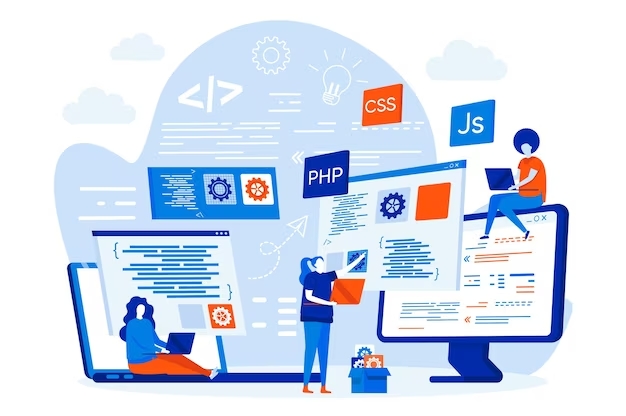
Individuals and companies need to have a solid online presence. Web development services are helpful in this situation. The creation of a visually appealing design and the implementation of a fully functional website are just two examples of how these services significantly influence our online experiences.
Web development services: what are they?
A vast range of tasks are included in web development services with the goal of building, improving, and managing websites. The websites we visit on a regular basis are powered by these services, which make sure they load quickly and look beautiful.
Web Development’s Significance in the Digital Age
The Internet is the primary source of information and communication in the modern world. Websites serve as both venues for people to exchange ideas and as digital marketplaces for businesses. We can utilize the web to its maximum capacity thanks to custom web development services.
The Stage of Design
- The Creative Process in Web Design
In addition to being aesthetically pleasing, web design also involves developing an interface that is user-friendly and captivating. When creating a website’s aesthetic and feel, creative designers are essential.
- How to Plan and Generate Ideas for a Website Design
The planning and brainstorming stages lead into the design phase. It includes figuring out the target market, setting objectives, and outlining the layout of the website. The project’s overall direction is outlined in this blueprint.
- User Experience (UX) Design’s Importance
The foundation of web design is the user experience. Ensuring that consumers engage with websites seamlessly and entertainingly is the primary goal of UX designers. This covers things like responsive design, easy navigation, and page load speed.
- Typical Technologies and Design Tools
Designers employ a wide range of instruments and technologies to realize their concepts. These tools, which range from Sketch and Figma to Adobe Creative Suite, aid in the creation of eye-catching prototypes and visualizations.
The Stage of Development
- Converting a Design to Code
Developers take over after the design is complete, translating those gorgeous graphics into helpful code. To generate actual web pages, this phase comprises writing HTML, CSS, and JavaScript.
- Back-end versus front-end development
Front-end and back-end development are two common categories for web development. While back-end developers work on database administration and server-side logic, front-end developers concentrate on what users see and interact with.
- Frameworks and Languages for Programming
For web development, a large variety of programming languages and frameworks are available. Developers select the best tools for the job, ranging from HTML and CSS to well-known frameworks like React and Angular.
- Guaranteeing Adaptive Design
It is imperative to have responsive design in the age of smartphones and tablets. Responsive design strategies enable websites to adjust to different screen sizes effortlessly.
- Debugging and Testing
The website is made sure to work perfectly through extensive testing and debugging. Finding and resolving any problems that may come up during development is the focus of this phase.
Systems for Managing Content (CMS)
A CMS: What is it?
Website administration is made easier using content management systems (CMS). They provide a user-friendly interface that allows content creators to easily add, edit, and rearrange elements without having to rely heavily on coding.
Well-liked CMS Systems
Numerous well-known content management systems (CMS) exist, such as WordPress, Joomla, and Drupal, each having unique features and advantages.
Rewards of Employing a CMS
CMS systems save website owners time and energy, so they may concentrate on updating and creating content rather than technological nuances.
Installation and Hosting
- Selecting a Web Server Provider
It’s essential to choose the best web hosting company. When making this choice, variables, including server performance, scalability, and reliability, should be taken into account.
- Procedure for Launching a Website
Configuring settings, uploading web files to the hosting server, and making sure the website is user-accessible are all part of the website deployment process.
- DNS configuration and domain registration
Making a website accessible using a custom domain requires registering a domain name and setting up the Domain Name System (DNS).
- After-Launch Inventory
Conducting a post-launch checklist is essential to make sure everything is functioning correctly after deployment. This includes installing website analytics, streamlining performance, and inspecting for broken links.
Upkeep and Modifications
- The Value of Continued Maintenance
Deployment is not the end of web development. The website must receive regular maintenance in order to remain relevant, safe, and current.
- Security Matters to Consider
A variety of online attacks can attack websites. To defend against cyberattacks, security measures like firewalls, SSL certificates, and routine upgrades are essential.
- Maintaining Current and Useful Content
Users are engaged and return for more when there is new and relevant material available. For this reason, news sections, blog articles, and updates on a regular basis are crucial.
- Managing Updates and Technical Problems
Issues with technology are unavoidable. In the future, web development services may require troubleshooting and problem-solving as additional features.
Conclusion
Web development services create, construct, and maintain the digital environment. Whether you’re an entrepreneur looking to establish a strong online presence or a student striving to become a professional web developer, it’s vital that you have a thorough understanding of web development services. It’s a trip that combines technological know-how, imagination, and inventiveness to shape the digital world that we all live in.
 Web Development Expert
Leave a comment